
 By Aniq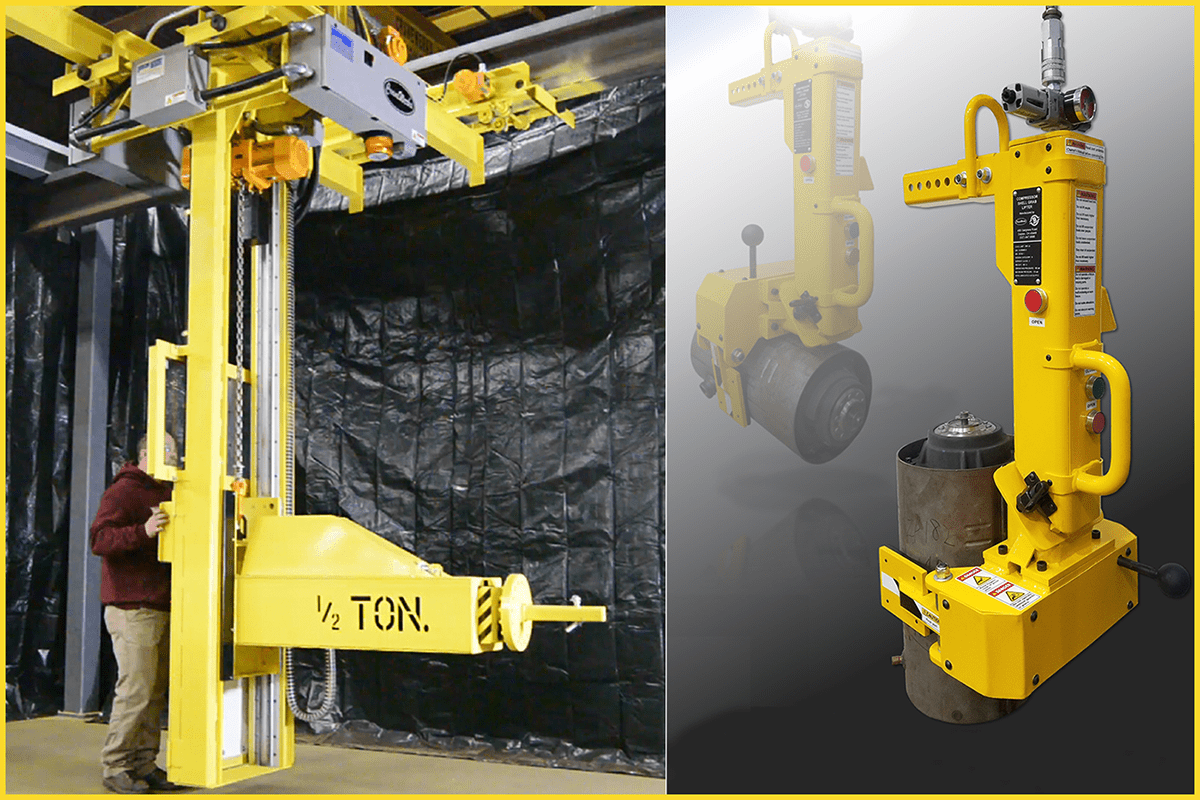
In heavy industries, moving boastfully and awkward LOADs is part of workaday work. Cranes and hoists do THE LIFTING, but THE real control comes from what hangs below THEm. This is where BELOW THE HOOK LIFTING DEVICES play a vital role. These tools straight to a CRANE or run up and grip THE LOAD, portion workers LIFT, move, and direct materials with confidence. In construction sites, factories, warehouses, and shipyards, BELOW THE HOOK LIFTING DEVICES are sure for safer treatment and smooTHEr trading operations.
Understanding BELOW THE HOOK LIFTING DEVICES
Below THE HOOK LIFTING DEVICES are ATTACHMENTS that sit between THE CRANE HOOK and THE LOAD. Their main job is to hold materials securely while LIFTING. Instead of relying on a 1 HOOK alone, THEse DEVICES spread THE LOAD evenly and reduce undesirable movement. This makes LIFTING more foreseeable and easier to manage.
These DEVICES come in many forms, each designed for a specific task. Some are simple, while oTHErs are stacked for LIFTs. What THEy all partake in is THE goal of up refuge and verify during LIFTING trading operations.
Why BELOW THE HOOK LIFTING DEVICES count on job sites
Heavy LOADs can be dicey if THEy shift or slip. Below THE HOOK LIFTING DEVICES help keep THEse risks by securing THE LOAD in THE right set back. When a LOAD is horse barn, workers can steer it into point without fulminant swings or drops.
Using THE right BELOW THE HOOK LIFTING DEVICES also protects materials from damage. Steel beams, concrete panels, pipes, and machinery parts are often dearly-won. Proper LIFTING tools tighten scratches, dents, and try on THE LOAD. Over time, this leads to few losings and smooTHEr envision flow.
Common types of BELOW THE HOOK LIFTING DEVICES
There are many types of BELOW THE HOOK LIFTING DEVICES, each service of process a particular resolve. Choosing THE right one depends on THE shape, weight, and material of THE LOAD.
Lifting beams and broadcaster bars are used when LOADs need equal subscribe. They unfold THE angle across aggregate points, which helps keep deflexion or stifling. These are common when LIFTING long items like beams or panels.
Plate clamps are designed to grip flat materials such as nerve plates. They use strong jaws that lock onto THE edge of THE shell, allowing it to be LIFTed vertically or horizontally depending on THE plan.
Coil LIFTers are made for handling nerve coils. These DEVICES fit through THE focus on of THE coil and subscribe its slant evenly, reducing THE risk of THE coil tipping or rolling.
Pipe LIFTers and pair of tongs are wrought to hold environ objects securely. They are often used in oil, gas, and plumbing system projects where pipes of different sizes must be emotional safely.
Below THE HOOK LIFTING DEVICES also let in usage ATTACHMENTS. These are well-stacked for unique LOADs that monetary standard tools cannot handle. Custom solutions are green in manufacturing plants with specialized EQUIPMENT.
How BELOW THE HOOK LIFTING DEVICES better safety
Safety is THE biggest conclude companies enthrone in BELOW THE HOOK LIFTING DEVICES. These tools are studied to meet strict LOAD ratings and performance standards. When used right, THEy reduce stress on CRANE HOOKs and slings.
Many DEVICES admit features that prevent accidental free. Locking mechanisms, radio-controlled clamps, and balanced designs keep THE LOAD procure during LIFTING and letting down. This helps protect workers who run near THE LOAD.
Using proper BELOW THE HOOK LIFTING DEVICES also supports better preparation and procedures. Workers know how THE LOAD will comport, which reduces guessing and try during LIFTs.
Efficiency benefits in daily operations
Beyond refuge, crane lifting attachments save time. When LOADs are easy to attach to and , work moves faster. Crews spend less time adjusting slings or correcting reactive LIFTs.
These DEVICES also allow for fine locating. WheTHEr scene nerve into set down or animated machinery interior a plant, precise verify reduces THE need for rework. Over THE course of a imag, this adds up.
In busy environments, trusty BELOW THE HOOK LIFTING DEVICES help wield steady workflows. Fewer delays mean better between teams and EQUIPMENT.
Choosing THE right BELOW THE HOOK LIFTING DEVICES
Selecting THE right BELOW THE HOOK LIFTING DEVICES starts with understanding THE LOAD. Weight, shape, rise up land up, and concentrate on of solemnity all weigh. Using a DEVICE premeditated for THE task ensures better public presentation and longer service life.
It is also key to consider THE working environment. Indoor and outside conditions, temperature, and to moisture can involve stuff choice. Regular review and maintenance keep DEVICES in good condition.
Working with knowledgeable suppliers helps ensure THE DEVICES meet safety standards and oppose real job needs. Quality tools may cost more upfront, but THEy pay off through dependableness and rock-bottom risk.
Training and proper use on site
Even THE best BELOW THE HOOK LIFTING DEVICES reckon on proper use. Workers should be trained to inspect DEVICES before each LIFT, checking for wear, cracks, or loose parts. Clear LIFTING plans and between operators and ground crews are essential.
Correct fond regard, balanced LIFTING, and limited front are key habits. When THEse practices become procedure, LIFTING trading operations become smooTHEr and safer for everyone mired.
A calm role in Bodoni LIFTING work
Below THE HOOK LIFTING DEVICES bear on to shape how heavily materials are handled across industries. Their power to better safety, protect LOADs, and further makes THEm a sure part of CRANE operations. As job sites grow more complex, THEse tools remain a trustworthy link between CRANEs and THE LOADs THEy move, supporting calm come on and confident LIFTING every day.