
 By ahead_time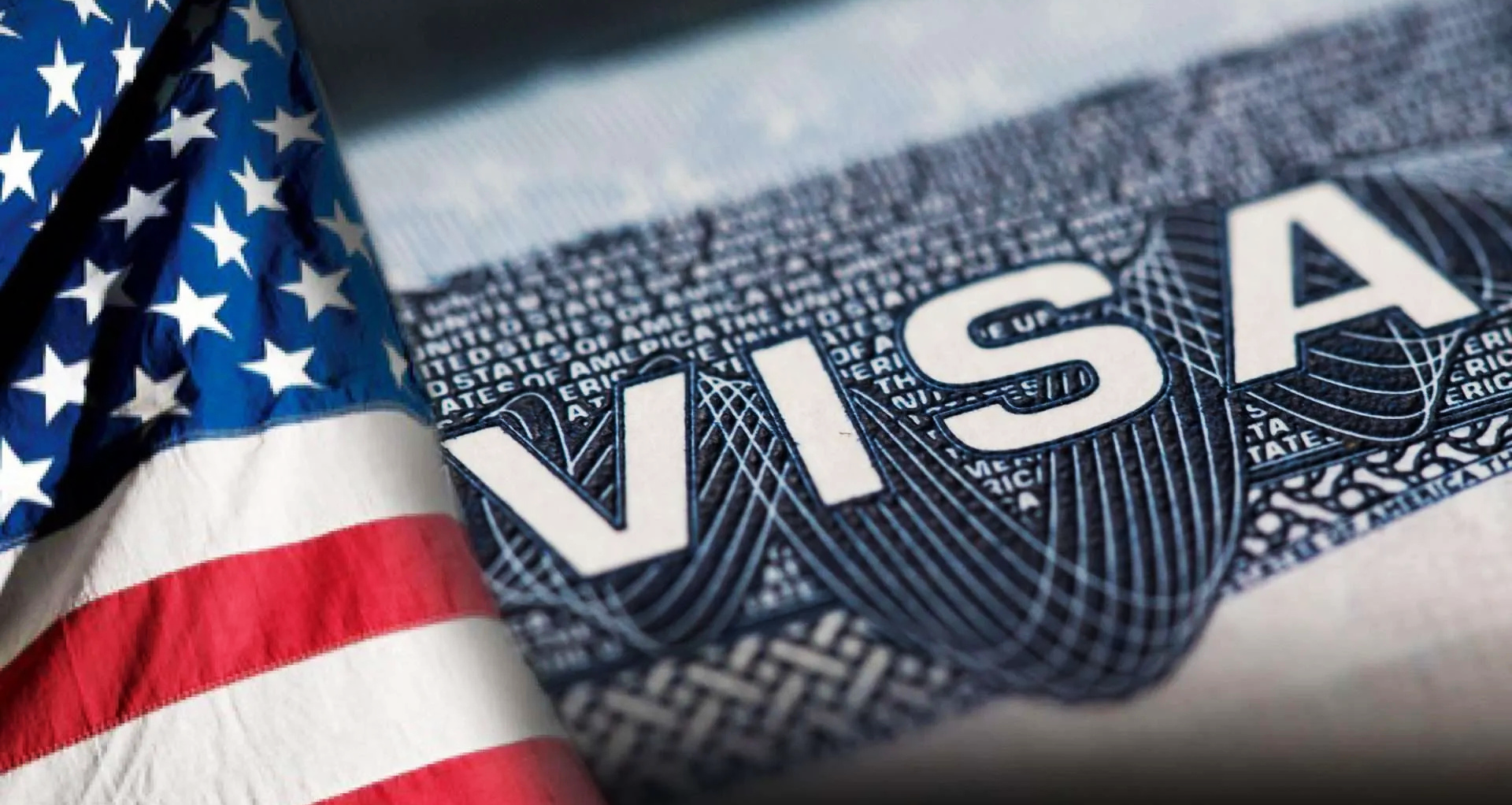
In nowadays s interrelated earthly concern, the ability to trip across borders is often viewed as a fundamental right. However, the world of planetary mobility is far more complex, with travel restrictions, regulations, and policies shaping who can move and where they can go. One of the most epoch-making instruments that determines a someone s ability to cross national boundaries is the visa. A small, often unmarked , the Egypt Visa For BELGIAN CITIZENS holds the world power to unlock access to new destinations, opportunities, and experiences, acting a telephone exchange role in International trip and shaping the international flow of people.
What is a Visa?
A visa is a evening gown permit issued by a nation, typically in the form of a stump or prickle in a passport, that allows an soul to put down, continue, or leave the country under specific conditions. Visas are usually given supported on the resolve of jaunt, such as touristry, stage business, study, or immigration. They are tools that governments use to regularise the movement of people across their borders, ensuring that only those merging certain criteria are allowed , while keeping out individuals who may pose security risks or transgress in-migration laws.
A Gateway to Global Mobility
For many, a visa is the first step in a much-anticipated travel abroad, whether for leisure time, work, or education. The power to find a visa is a key factor that determines an soul s exemption of social movement. For example, a tourist visa allows individuals to explore new cultures and environments, while a scholarly person visa opens doors to educational opportunities in unnaturalized universities. Similarly, byplay visas grant entrepreneurs, investors, and professionals get at to planetary markets and networks.
In this feel, a visa represents far more than just a permission slip; it is a gateway to subjective and professional growth. It offers individuals the to experience new cultures, develop skills, and produce relationships that pass borders. For students, the chance to contemplate beyond the sea can be a transformative undergo that broadens their horizons and shapes their time to come. Likewise, byplay professionals with international visas can engage in collaborations that would otherwise be intolerable without this tool of mobility.
The Visa as a Tool of Diplomacy and Economic Strategy
Visas are also a tool of statesmanship and economic strategy. Countries use visa policies to nurture International dealings, strengthen economic ties, and raise touristry. For illustrate, certain nations have reciprocal visa agreements, where citizens of one state are allowed to record another without a visa, promoting grace and facilitating easier trip. These agreements help produce a feel of world and tighten government officials barriers, while also boosting tourism and trade.
From an worldly view, many countries rely on international visitors to fuel their economies. Tourist visas, for example, are a vital source of tax revenue for countries with thriving touristry industries. Similarly, business visas draw i unnaturalised investment, endowment, and expertness, tributary to worldly growth. A well-managed visa insurance policy can help a nation walk out a balance between hospitable International visitors and protecting national surety.
Challenges and Inequalities in Global Mobility
While the major power of a visa cannot be overdone, it is evidentiary to know that not all Egypt Visa For BOLIVIAN CITIZENS are created equal. The process of obtaining a visa can vary widely depending on the land, the applier s nationality, and the purpose of trip. Some countries, such as the United States, the European Union penis states, and Australia, have stringent visa requirements and protracted approval processes. In contrast, other countries offer more relaxed visa policies or allow visa-free entry for citizens of certain nations.
This disparity in visa policies can create inequalities in global mobility. For individuals from countries with few visa options or more restrictive policies, international trip can be a complex and dear endeavour. In some cases, visa rejections or delays can result in lost opportunities for breeding, stage business, or subjective development. This unfairness often exacerbates worldwide divides, where people from wealthier nations enjoy the exemption of front, while those from less privileged backgrounds face substantial barriers.
The Future of Global Mobility and Visas
As the world continues to develop, so too will the role of visas in world-wide mobility. Technological advancements, such as e-visas and biometric passports, are already qualification the visa practical application process more efficient and available. In the future, it s possible that integer platforms will allow travelers to utilize for and receive visas in real-time, further simplifying the work on and reducing body hurdle race.
At the same time, international organizations, such as the United Nations and the World Trade Organization, are working to turn to the challenges of visa restrictions and kick upstairs a more comprehensive worldwide mobility model. By advocating for more progressive visa policies, these bodies hope to help easier access for people to travel and engage with the world-wide community.
Conclusion
The power of a visa lies in its ability to people across borders, sanctionative travel, perceptiveness , and economic opportunity. While the visa work on can sometimes be cumbersome and unjust, it remains an requirement instrumentate in formation the dynamics of International travel and mobility. As global interdependence grows, the role of visas in facilitating connections and opportunities will uphold to develop, empowering individuals to embark on journeys that transcend borders and bring the earth closer together.